
Let's Talk About Burnout (Because It Happens to All of Us)
I don't care how organized you are, how much you love your craft, or how many color-coded spreadsheets you keep for your orders — burnout is coming for you at some point. It's not a matter of if, it's a matter of when. I've been baking out of my home bakery long enough to have hit burnout more times than I'd like to admit, and if there's one thing I've learned, it's that burnout doesn't look the same every time. There are actually a few different kinds, and I think it helps to name them so you can catch them before they take you down.
Baking Burnout
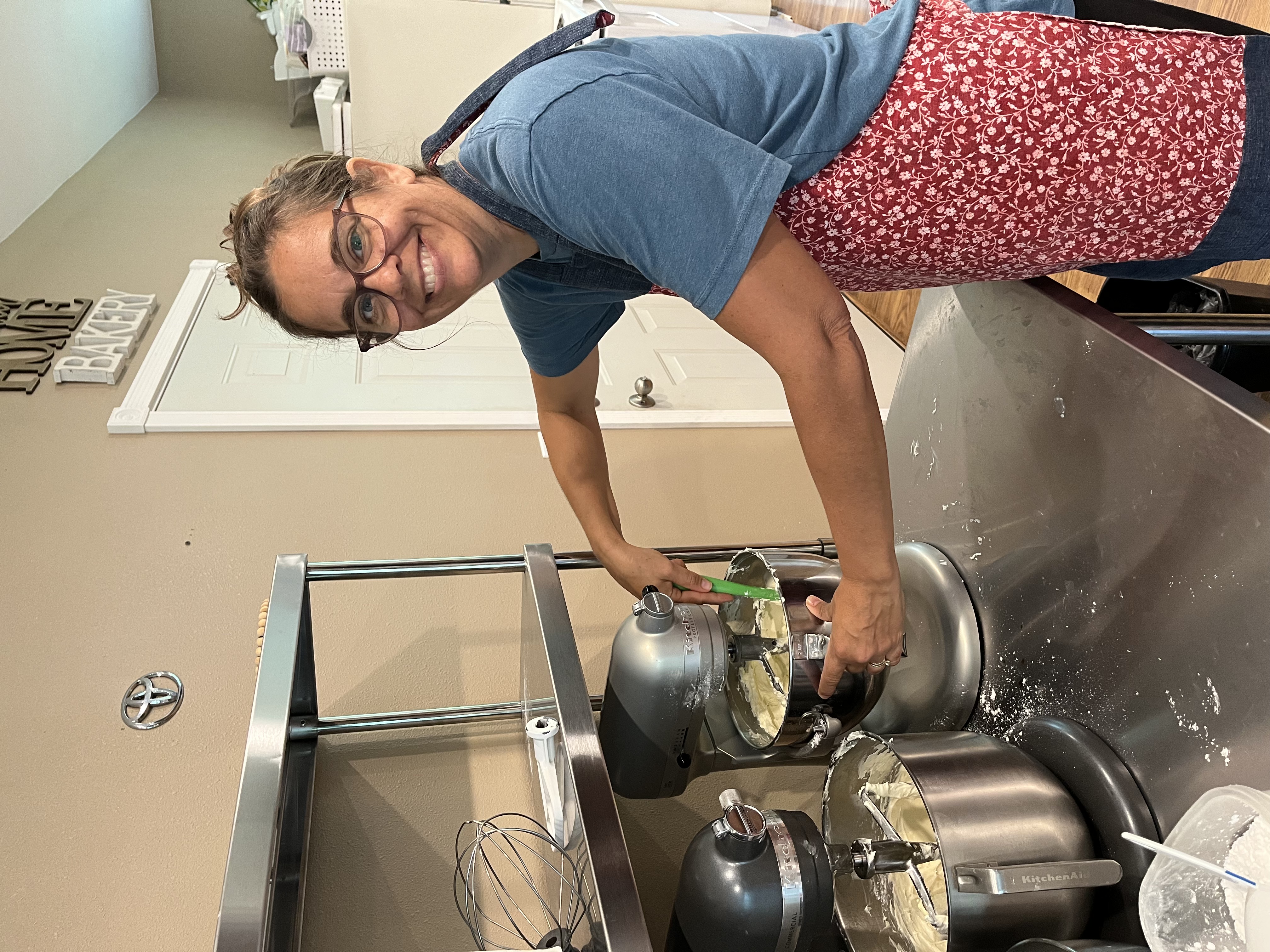
This is the one people usually picture first — the exhaustion that comes from actually being in the kitchen. Too many orders, too many late nights, too many "just one more batch" moments that turn something you love into something you start to dread. The warning signs are usually quiet at first: you start dragging your feet before you even preheat the oven, or a recipe you've made a hundred times suddenly feels like a chore.
For me, it was a blueberry coffee cake. I used to bake for a local coffee shop, and next to my cinnamon rolls, this coffee cake was one of their best sellers. I was making six to eight batches of it every week. I can make cinnamon rolls in my sleep, but this coffee cake was different — it was particular. Every ingredient had to be measured just right, it had to cool completely before I could touch it, and then I had to cut it into exact, even pieces, package it up, and deliver it to the shop. There was no room for shortcuts.
The more popular it got, the worse it felt. Demand kept climbing, which should have felt like a win, but instead I dreaded every single batch. I remember thinking if I had to make that coffee cake one more time, I was going to scream. Eventually I had to tell the coffee shop I couldn't bake it anymore — that's a story for another day — but it was one of the biggest reasons I scaled back how much I baked for them. A recipe that good should have brought me joy. Instead, it taught me that even your most popular item can wear you down if you don't put a limit on it.
When I hit this point, the thing that actually helps isn't pushing through — it's stepping back. Taking a weekend off, baking something just for fun with no order attached to it, or simply giving myself permission to say "not this week."
That's also where my thinking on consistency has changed over the years. In the beginning, I preached it like gospel — show up every single week or your bakery will suffer. And to a point, that's true: if you're not baking, you're not making money. But over time I noticed there are certain stretches of the year that are naturally slow for home bakers, and I've learned I can take those weeks off without it costing me anything. January is a perfect example — things are quiet after the holidays anyway. The week of our town's fair is always a rough one for the farmers market, so that's an easy week to skip. And August is when I hit my biggest wall every year — it's hot, and by then I'm just over the markets. Those became my built-in permission slips. So these days I don't preach consistency, consistency, consistency anymore. I preach consistency with burnout breaks built in, because it actually makes you a better, more sustainable business owner in the long run.
Business Burnout
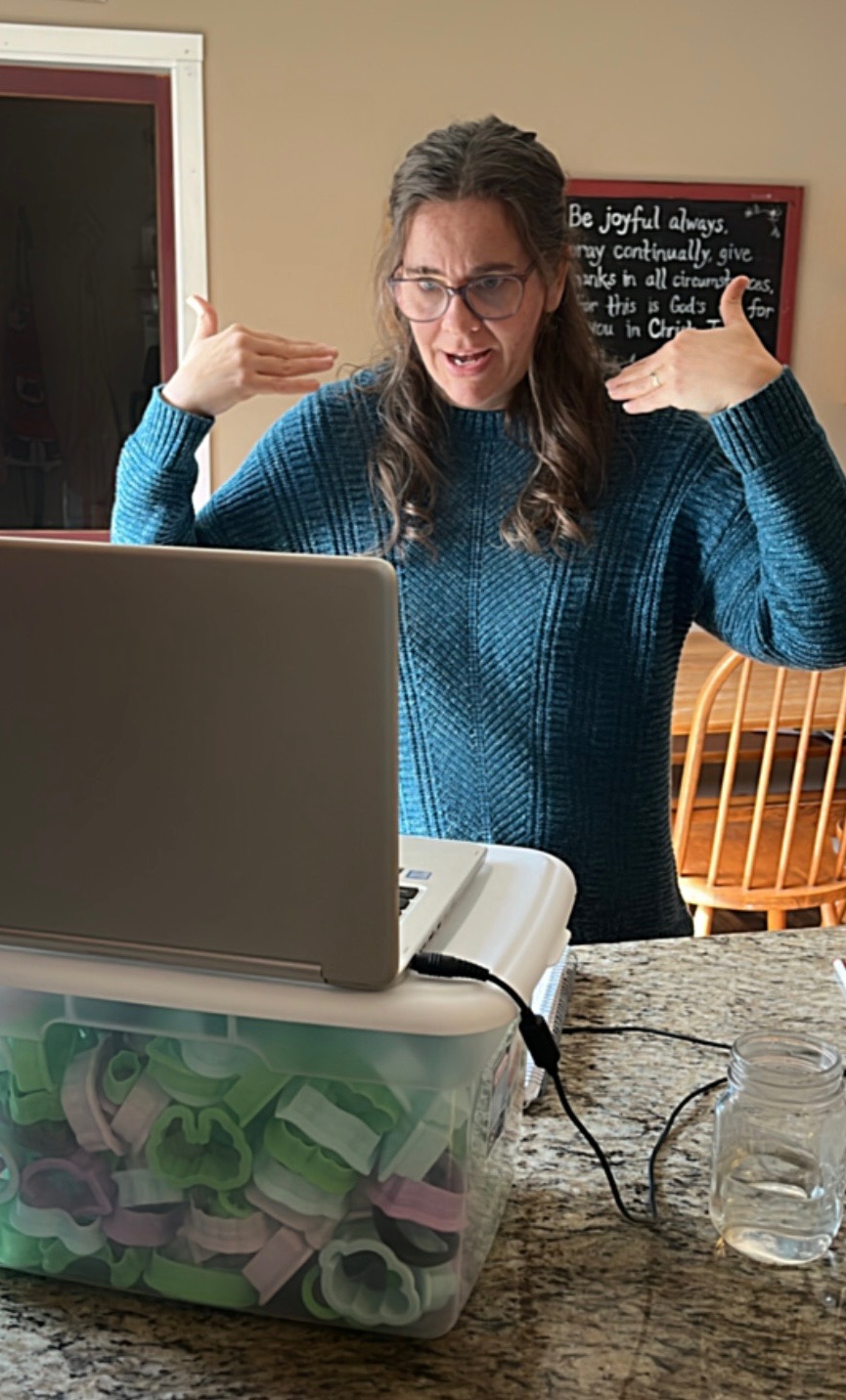
This one sneaks up on you differently. It's not the mixing and baking that drains you — it's the invoicing, the pricing spreadsheets, the packaging runs, the never-ending to-do list that comes with running a business out of your home. Nobody warns you that the "business" part of a home bakery can wear you out faster than the baking ever does. This kind of burnout can really get to you, to the point where it can make you want to quit. You started a home bakery because you wanted to bake — not because you wanted to be an accountant, a sales manager, a customer service rep, and a human resources officer all at the same time. But that's exactly what the job becomes.
I remember taking orders at all hours of the day, answering messages with zero boundaries, letting customers add on to orders or change pickup times whenever they wanted. If a customer wanted it, I found a way to make it happen — even if that meant running to the store for one more ingredient in the middle of a baking day I'd already planned out. Looking back, I was letting everyone else's schedule dictate mine.
What changed things for me was building in real boundaries. Sunday is my day of no baking, no work at all — I only do things that day if they genuinely bring me joy. Monday is my errand and reset day: laundry, housework, grocery shopping, all the life stuff gets handled in one day so it's not bleeding into the days I'm supposed to be baking. And time blocking has been huge for me, because I get distracted easily. Now I actually write it on my schedule — messages get answered for 30 minutes and 30 minutes only, baking happens from 8:00-noon, etc, and I'm not doing anything else during that block. Knowing I only have a set window to get something done is what actually gets it done.
The warning sign here is usually resentment — you start feeling annoyed at tasks that used to feel routine, or like everyone's schedule matters more than yours. That's your cue to draw a line somewhere, even if it feels uncomfortable at first. You don't have to do everything the "professional" way to be doing it right — you just have to protect enough of your own time to keep doing it at all.
People Burnout
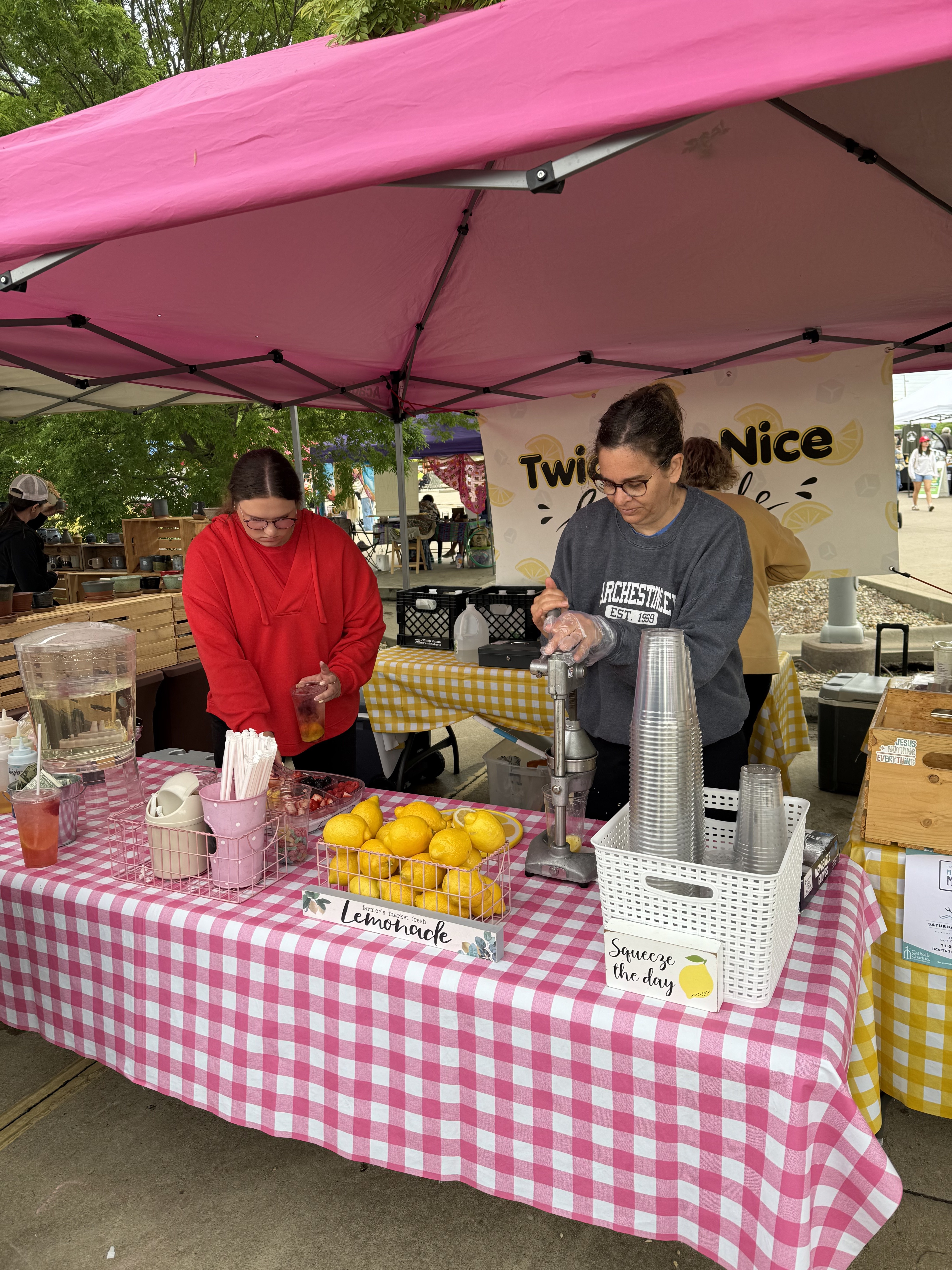
As much as we love our customers (and we really do), being "on" for people constantly is exhausting. Answering the same questions, managing expectations, smoothing over a last-minute change, being cheerful and patient even when you're running on four hours of sleep — it adds up.
I can tell exactly when I've hit my limit with this one, and I'll admit something that might sound a little bad: I've gotten good at avoiding certain regulars at the market when I'm running on empty. I know the second we make eye contact, they're going to want to talk for a while, and some days I just don't have it in me. I used to feel guilty even admitting that. But I don't think it makes you a horrible person — it means you know your own limits, which is more than most people can say.
What actually gets me through it is a mental trick I use at every market and every event: I tell myself, "Michelle, you have to be on for four or five hours. You can do anything for four or five hours." I remind myself these people only get one small glimpse of me, and I want it to be a good one — no matter how tired, cranky, hot, or hurting I am underneath it. The moment the market or event is over, I get to go home and be away from everyone. But for that one small window, I show up.
This kind of burnout usually shows up as short patience, dreading your messages before you even open them, or catching yourself avoiding people you'd normally be glad to see. For me, the fix has been giving myself permission to be "on" for a set, limited window instead of feeling like I owe everyone unlimited access to me — plus setting boundaries I used to feel guilty about, like response times and order windows, and being honest when I need a beat before I reply.
Social Media Burnout

Then there's the burnout that doesn't come from baking at all — it comes from documenting the baking. The pressure to post, to keep up with trends, to make everything look as good as the next account on your feed. It's its own kind of tired, because it can hit you even on days you don't bake a single thing.
A small version of this happens to me almost every week — the kind where I know I need to put my phone down for the day because it's too much. That's normal, and it passes fast. But this past June, I hit a version of it that was different from anything I'd felt before. I genuinely didn't know if I'd keep going. I didn't want to be on my phone at all, let alone on social media. I didn't want to make reels, I didn't want to share anything, I didn't want any part of it. I had to force myself to show up.
Even though I'd never felt it that intensely before, I knew two things for certain. I knew it would pass, because burnout always does. And I knew there were real things bothering me about how I was using social media that I needed to change. So I took the time to actually sit with it and think through what I wanted my account to be, what I wanted it to do for my business, and what parts of it actually brought me joy versus what parts I was just doing because I felt like I had to. That reflection is what pulled me out of it.
The warning sign is simple: if opening the app makes your stomach drop instead of giving you a little spark, that's burnout talking. Stepping away — even for a few days, or longer if you need it — has never once hurt my business, no matter how much the algorithm wants me to believe otherwise.
There's Probably More Than This
Seasonal burnout, holiday burnout, comparison burnout — the list goes on, and I'm sure you could add a few of your own. The point isn't to catalog every possible way to feel worn out. It's to recognize that burnout is part of doing something you care about, not a sign that you're failing at it.
If you're in it right now, I want you to hear this: it doesn't mean you're not cut out for this. It doesn't mean you're not organized enough or dedicated enough. It means you're human, and you've been giving a lot of yourself to something that matters to you. Rest is not the opposite of commitment — it's part of what makes it sustainable.
I've been through every one of these more times than I can count, and I'm still here, still baking, still showing up. So will you.
Happy baking (and resting when you need to),
Michelle
Stay connected with news and updates!
Join my mailing list to receive weekly home bakery tips, inspiration, and industry highlights.
We hate SPAM. We will never sell your information, for any reason.

